Home › Gravel-to-Asphalt Conversions
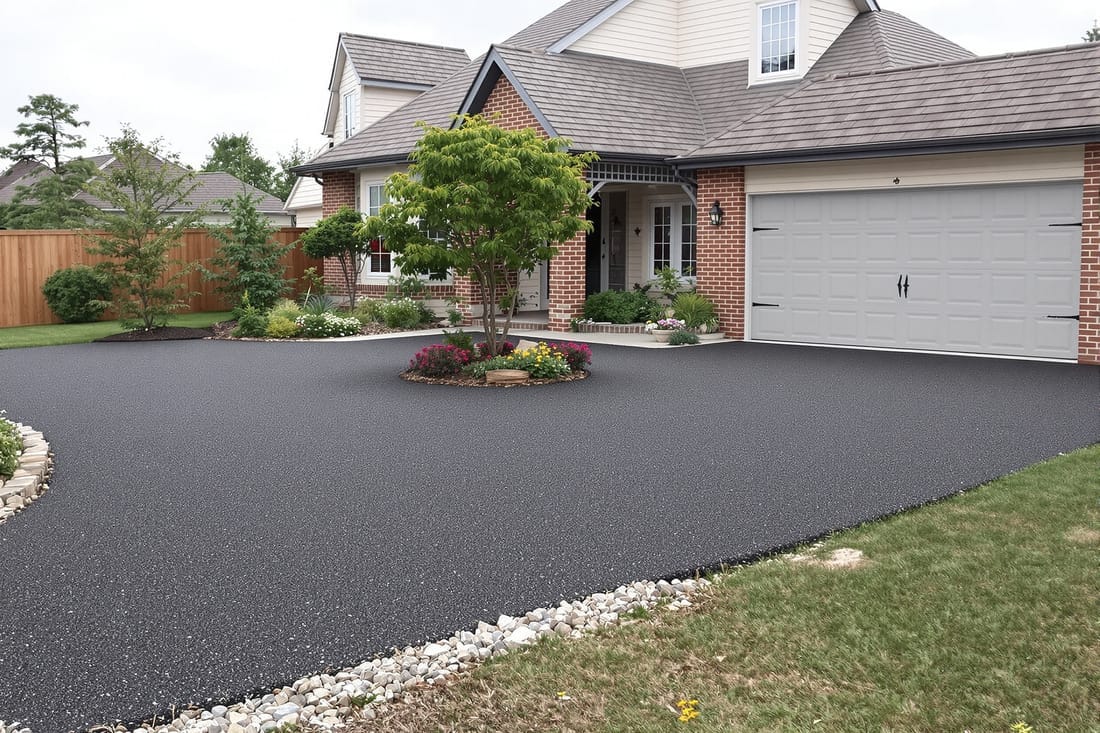
Tired of ruts and dust from your gravel driveways. Our gravel to asphalt driveway conversions in Waco, TX transform loose surfaces into solid, smooth asphalt that is easier to drive and maintain while improving the look of your property.
Precision Asphalt Waco provides professional gravel to asphalt driveway throughout Waco, TX, Texas and the surrounding area. Our licensed, insured crew delivers safe, clean, on-time work with a free estimate before anything begins. Call (254) 870-7751 or request your free quote.
Turn Your Gravel Driveway Into a Solid Asphalt Surface
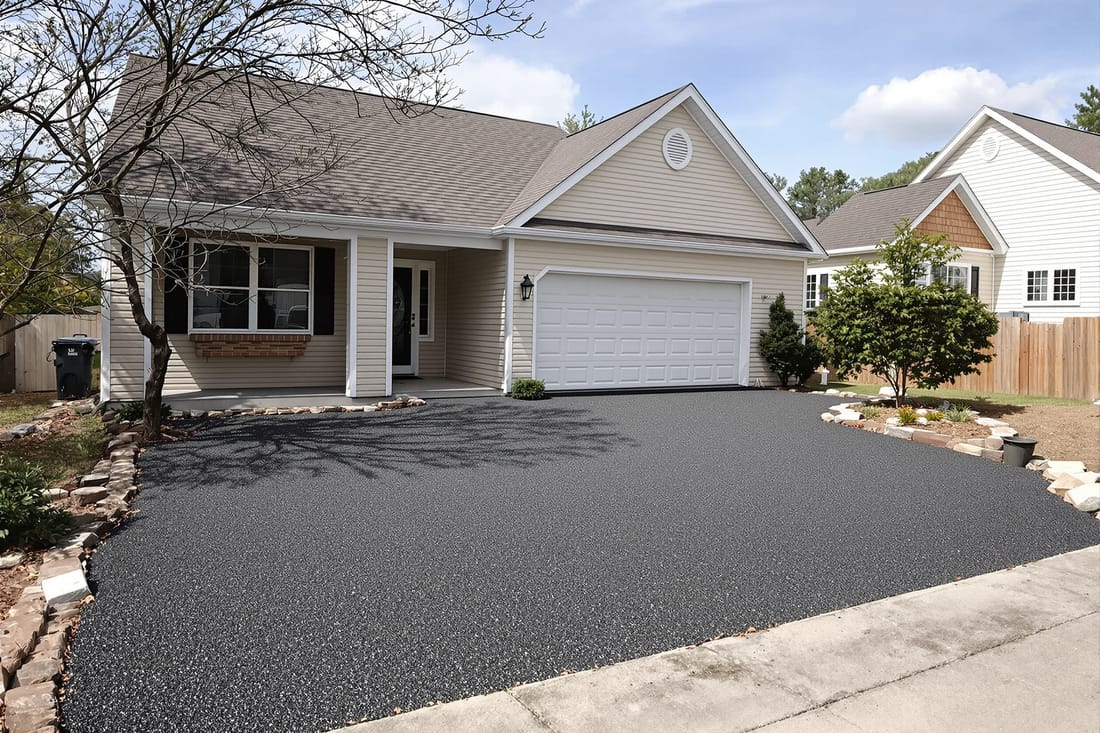
If you are tired of dust, ruts, and washouts, converting your gravel to an asphalt driveway is one of the highest value upgrades you can make to your property. Precision Asphalt Waco focuses on gravel-to-asphalt conversions in and around Waco, TX, so we know how local soils, weather, and drainage affect how long your new driveway will last.
A gravel driveway that has been in place for years is not automatically ready for asphalt. The condition and thickness of the existing base, the slope of your property, and how water currently moves across your driveway all determine what needs to be done before we ever bring in hot mix. Our approach is to treat each driveway as its own small road project, not a quick overlay.
We build driveways that hold up to Central Texas heat, sudden storms, and heavy pickups with trailers. That means focusing on subgrade strength, base thickness, and pavement design, not just the black surface you see on top.
Our Gravel-to-Asphalt Conversion Process in Waco
Every project with Precision Asphalt Waco starts with a site visit. We walk the full length of your gravel driveway, check soft spots with a probe bar, look for areas that pond after rain, and note any drainage issues that could undermine the new asphalt. We also measure widths and turning areas to be sure you can comfortably get in and out with your vehicles and trailers.
Next, we strip or regrade the existing gravel. In some cases, your current base can be reused after reshaping and compacting. Where the gravel layer is thin or contaminated with mud, we undercut those areas and bring in fresh, crushed limestone road base that meets TxDOT grade. We typically target 4 to 6 inches of compacted base for residential driveways, more for RV parking or heavy equipment.
After the base is shaped for proper crown or cross slope, we mechanically compact it with a vibratory roller. We do not pave until the base passes a proof roll, which is a slow drive over the surface with a loaded truck or roller to reveal any pumping or deflection. Any failed areas are dug out and repaired before we move on.
When the base is ready, we install a tack coat along tie-in areas and around the perimeter where needed. Then we place hot mix asphalt with either a paver or, on tighter residential projects, by carefully controlled hand placement and raking. The surface is then compacted with steel wheel and rubber tired rollers to reach proper density and a smooth, even finish.
Typical Driveway Designs, Thicknesses, and Mix Options
For most Waco area homes, Precision Asphalt Waco installs 2 to 3 inches of compacted asphalt over a properly built base for standard residential traffic. If you routinely park heavy trucks, equipment, or multiple RVs, we may recommend 3 to 4 inches of asphalt or a thicker base to prevent rutting and premature cracking.
We primarily use hot mix asphalt designed for Central Texas conditions. This is usually a dense graded mix that balances durability and smoothness. For private drives that see low speeds, this mix performs very well under our summer heat and winter temperature swings. In some cases, especially for long ranch drives, we may discuss a coarser surface course that offers better traction on slopes.
Edge support is another key design choice. A simple cut edge is common on budget projects, but if you expect traffic to drive near the sides, we may widen the base and flare the edges, or plan for concrete ribbons or rock shoulders to help prevent edge cracking. We also look at how your driveway meets the public road. The tie-in needs to match the street elevation and drainage so you do not end up with a lip that catches snowplows or causes water to stand at the entrance.
If you have specific requests such as a turnaround pad, widened parking area, or a future building pad that should align with the driveway, we incorporate those into the design before we start moving dirt. It costs much less to shape base and asphalt once than to rebuild later.
What Drives Cost for Converting Gravel to Asphalt
Homeowners in Waco often ask why one gravel to asphalt driveway estimate is higher than another. The main cost factors are driveway length and width, how much base work is required, asphalt thickness, and site access. Precision Asphalt Waco breaks these items out in our proposals so you see what you are paying for.
If your existing gravel layer is thick, well compacted, and drains well, we can usually reuse much of it, which keeps costs down. If parts of the driveway are soft, hold water, or were originally built over topsoil without enough base, we will need to undercut and replace those sections. That adds material and trucking, but it is far cheaper than dealing with major failures a few years later.
Slope and drainage also affect cost. Driveways that require significant regrading, culverts, or berms to move water away from the pavement will cost more than a simple flat drive. However, spending a little more for proper drainage at the start can easily add 5 to 10 years to the life of your asphalt.
Access matters too. Long, narrow drives with tight trees or fences may require smaller equipment and more time. If there is limited room to turn trucks or stockpile material, we plan the project in stages, which slightly increases labor but protects your property from unnecessary disturbance. We always discuss these conditions with you before finalizing pricing, so there are no surprises during construction.
Local Considerations in Waco: Soil, Drainage, and Requirements
Building a reliable gravel to asphalt driveway in Waco means paying attention to local conditions. Many properties around Waco sit on expansive clay soils. These clays shrink when dry and swell when wet, which can crack thin, poorly supported pavement. Precision Asphalt Waco counters this by adjusting base thickness and, when needed, recommending soil stabilization in problem spots with lime or cement-treated base.
Sudden heavy storms are another local factor. Your new asphalt driveway must shed water quickly. During planning, we look at where rainwater currently flows, nearby ditches or bar ditches, and any low spots near structures. We set grades so water moves off the pavement and away from your home, shop, or barn. Where your driveway crosses drainage paths, we may recommend culverts or surface swales to avoid washouts.
Within Waco city limits or certain ETJ areas, some driveways that connect to public roads may require a permit or a specific type of entrance section, especially on busier streets or near corners. If your property is inside city limits or in a subdivision with an HOA, we suggest checking any guidelines related to driveway width, surface type, and appearance. We can provide sketches, material descriptions, and photos of similar projects to help with approvals.
For rural properties in McLennan County without an HOA, formal permitting is often minimal, but entrance work that affects county ditches or culverts may need coordination with the county road department. We are familiar with this process and can help you address those items before work begins.
What to Expect Before, During, and After Your Conversion
When you contact Precision Asphalt Waco about converting your gravel to an asphalt driveway, we start with a discussion about your property, traffic needs, and any persistent problems such as dust, mud, or washouts. Then we schedule an on-site assessment and provide a written proposal that outlines base preparation, asphalt thickness, drainage adjustments, and any optional upgrades.
Before work begins, we ask you to mark any underground utilities that are not covered by 811, such as private water lines to barns, sprinkler systems, or electric runs to gates. We also coordinate parking and access so you can still get in and out while the work is underway.
Most residential gravel to asphalt driveway conversions in the Waco area take 1 to 3 working days once equipment is on site, depending on length and complexity. During construction, expect noise from trucks, rollers, and compactors. We keep the site as orderly as possible and avoid tracking material into the street.
After paving, you can usually walk on the asphalt almost immediately, but we recommend keeping vehicles off for 24 to 48 hours so it can cool and harden. For the first few months, it is best to avoid parking heavy vehicles in the exact same spot every day and to be cautious with sharp objects like trailer jacks or motorcycle kickstands on very hot days.
We provide basic maintenance guidance, including when to consider sealcoating, how to manage minor surface marks, and what to watch for that might indicate drainage or base issues. If you notice anything that concerns you, we would rather look at it early and give you straightforward advice on whether it needs attention.