Home › Road, Street, and Municipal Paving
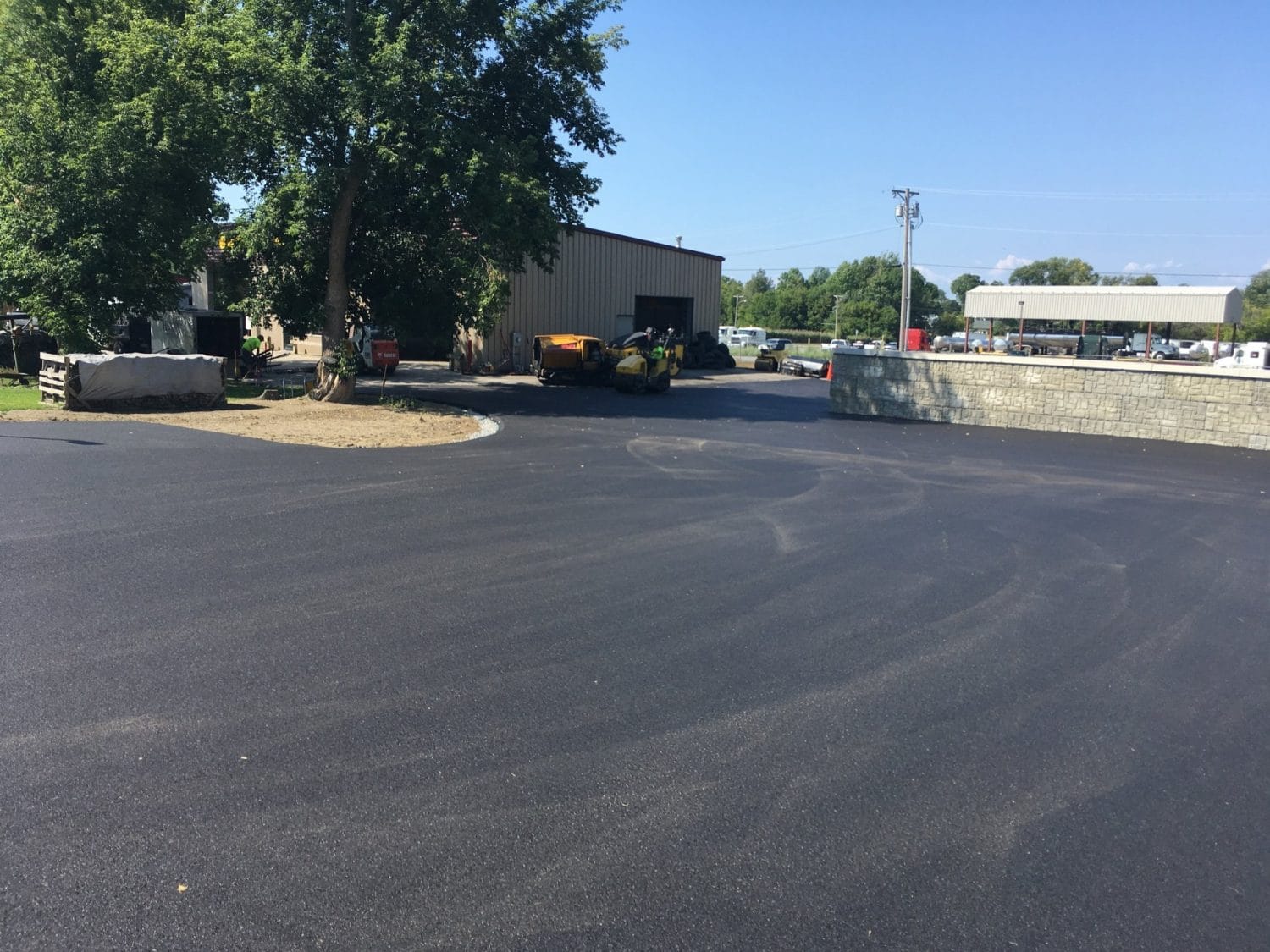
Build and maintain durable roadways with professional road paving in Waco, TX. We pave and resurface city streets, subdivision roads, and municipal access routes with high quality asphalt and proper traffic control.
Precision Asphalt Waco provides professional road paving throughout Waco, TX, Texas and the surrounding area. Our licensed, insured crew delivers safe, clean, on-time work with a free estimate before anything begins. Call (254) 870-7751 or request your free quote.
Road and Municipal Paving in Waco That Holds Up to Real Traffic
Road paving in Waco has to deal with heavy trucks, hot summers, and sudden storms. At Precision Asphalt Waco, we design and build asphalt roads, city streets, and municipal lanes specifically for Central Texas conditions, not for some textbook climate.
When we look at a new road or a rehab project, we start with what will actually be using it. A neighborhood street with school pickups needs a different pavement section than a farm‑to‑market cut‑through with gravel haulers. We look at expected traffic volume, vehicle weights, turning movements at intersections, and drainage paths. That drives the thickness of the asphalt, the type of base, and whether we recommend standard hot mix, a stronger design mix, or a phased build-out.
For public and quasi‑public work in and around Waco, we are familiar with City of Waco, McLennan County, and TXDOT‑influenced standards. We match or exceed their requirements for base depth, asphalt lift thickness, and compaction, so your project will pass inspection and last longer. Whether we are tying into an existing city street, extending a cul‑de‑sac, or building interior roads inside a private development, the focus is the same: a smooth, well‑drained surface that does not ravel, rut, or break apart under local traffic patterns.
How Precision Asphalt Waco Builds Roads, Streets, and Lanes
Quality road paving is mostly about what happens under the black surface. We start by stripping off soft topsoil and unsuitable material, then proof‑rolling the subgrade with loaded equipment to find any weak spots. Soft areas are undercut and replaced with better material, usually select fill or crushed stone, so the road does not settle and form dips a year later.
Next comes the base course. In and around Waco, we typically use crushed limestone base or recycled asphalt base compacted in thin lifts with vibratory rollers. For most residential streets we are installing 6 to 8 inches of base, for heavier commercial access roads or industrial parks that can go to 10 or even 12 inches. The base is brought to final grade and checked with stringline or laser so water flows where it should and does not stand in the travel lanes.
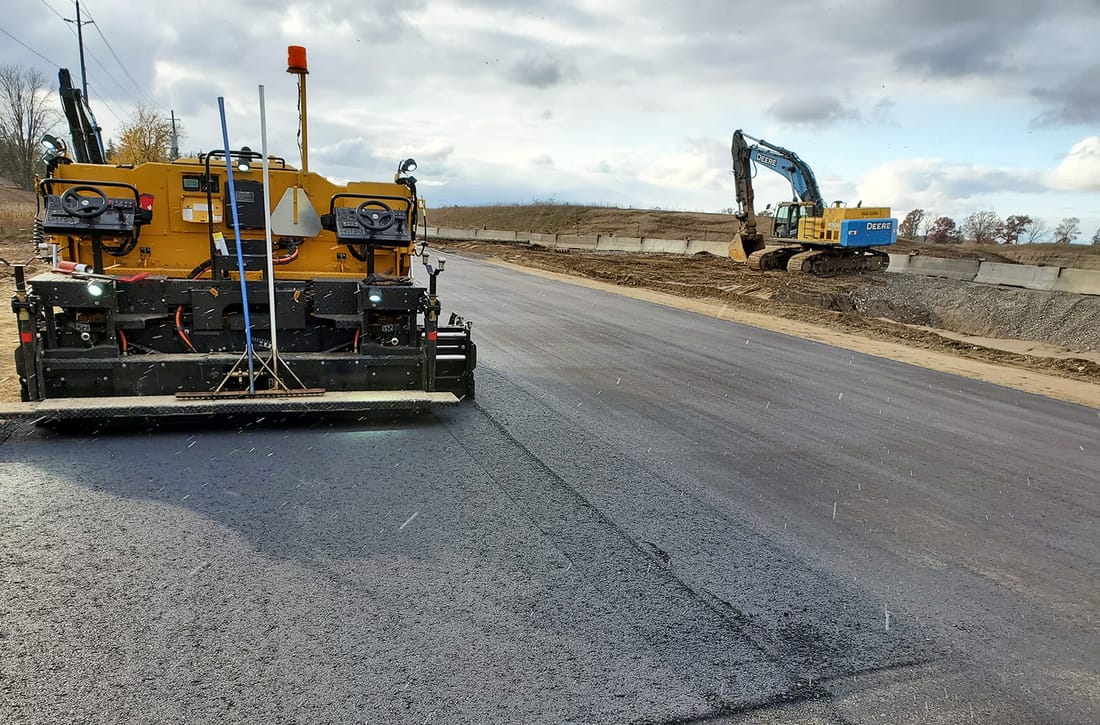
Once the base passes density and proof tests, we place the asphalt pavement in one or more lifts. A typical neighborhood street might get two lifts, a structural binder course and a smoother surface course. Busy thoroughfares or truck routes often need thicker sections, sometimes 3 or more lifts, and different mix designs for the bottom and top layers. We use a paver with automatic grade controls, then compact with steel and pneumatic rollers while the mix is at the right temperature. Joints between lanes and passes are carefully overlapped and rolled because poor joints are where most early cracks start.
Finishing includes tie‑ins to existing roads, transitions at driveways, and temporary striping if permanent markings will be delayed. If required, we set castings for storm inlets and manholes to final grade during the paving operation so there are no bumps or dips around utility structures.
Paving Options, Drainage, and Design Choices for Waco Projects
Not every road or street in Waco needs the same pavement structure. Precision Asphalt Waco walks owners, developers, and municipal staff through options so you get the performance you need without overspending.
For low‑speed residential streets, we often recommend a conventional hot mix asphalt section over a strong base, possibly with a slightly richer surface mix at intersections where turning causes extra wear. For commercial or industrial access roads with frequent trucks, a thicker base and a stiffer asphalt mix, sometimes with a modified binder, will usually pay for itself by avoiding rutting and shoving.
Drainage is a key design decision in this region. Our clay soils expand and shrink with moisture. If water sits in the base, the pavement will crack and alligator. During design and pre‑construction, we look at ditches, curb and gutter needs, inlets, and driveway crossings. On sloped sites, we may recommend transverse or longitudinal slope adjustments so water moves quickly off the pavement. In flatter parts of Waco and nearby new subdivisions, that often means tight grade tolerances to avoid birdbaths that become potholes.
We also help you decide between curb and gutter streets and open ditch sections, how wide the lanes really need to be, and where to place thicker pavement at bus stops and loading zones. For private roads in gated communities or large campuses, aesthetics matter too. We can suggest mix types that hold striping better, or coordinate future sealcoating schedules so the pavement keeps a consistent appearance.
By discussing your long‑term plans, such as expected build‑out of a subdivision or additional phases in an industrial park, we can design a pavement that can be overlaid in the future without major reconstruction. That kind of planning often saves money over the life of the project even if the initial build is very straightforward.
Permits, Inspections, and Local Requirements Around Waco
Road paving in Waco is not just trucks and rollers. There is real paperwork and coordination involved, especially where public access is involved. Precision Asphalt Waco regularly works with the City of Waco Engineering Department, McLennan County, and local utility providers, so we understand how the process works here, not in some other part of the country.
Inside city limits, new streets typically must match the city’s current standard details and be reviewed on the plans before construction. That can affect everything from pavement thickness and base type to minimum right‑of‑way width and curb radii. If your private road connects to a city street, you will usually need an approach or driveway permit and an approved tie‑in detail. We assist with the technical submittals related to pavement sections and construction methods so those reviews go smoother.
On county roads or private drives that intersect them, there may be driveway or access permits that specify culvert sizes and how the pavement meets the existing edge of road. Our crews understand how to stage work so that emergency vehicles and residents always have reasonable access during construction and inspections.
Inspections are part of nearly every municipal or subdivision job. Typically, inspectors will want to see proof‑rolling of the subgrade, compaction tests on the base, and sometimes asphalt density results. We coordinate with independent testing labs, schedule inspector visits, and correct any deficiencies as they come up rather than waiting until the project is nearly finished. That reduces punch list headaches and keeps your schedule predictable.
For HOAs and private developments that do not fall under city review, we still recommend following TXDOT or City of Waco style standards, because future buyers, lenders, and public agencies often look more favorably on projects built to a recognizable standard.
Budget, Scheduling, and Common Issues We Solve
Road paving costs in Waco are driven by three main factors: how thick and wide the pavement needs to be, how strong the underlying soil is, and how complicated the drainage and access are. Precision Asphalt Waco breaks our estimates down so you can see where your money is going: excavation, base material and thickness, asphalt tonnage, traffic control, and any extras like striping or concrete curb.
Soft or expansive soils are one of the most common issues in our area. If a simple proof‑roll shows rutting or pumping, we may recommend undercutting and replacing soil, using geogrid reinforcement, or increasing base thickness. Those changes can be priced as options up front, so if we run into trouble spots, you already know the cost and approach. It is cheaper to fix those problems before paving than to chase cracks and potholes afterward.
Another recurring problem on local road and street projects is traffic handling. Shutting a street in front of a school or busy business is usually not practical. We work out phasing plans that keep at least one lane open when possible, use flaggers during peak times, and coordinate with property owners so they know when access will be restricted. Good communication is often what keeps a paving job from becoming a headache for everyone around it.
Scheduling around Central Texas weather is also critical. Extremely high pavement temperatures can cause surface scuffing if traffic is put on new asphalt too early, and sudden storms can damage a fresh base. We sequence our work so that base is not left exposed for long periods during rainy patterns and we plan paving days when temperatures and forecast give us a good window for proper compaction.
Before you hire any road paving contractor, ask how they verify compaction, what section they are basing their design on, and whether they have experience with local inspectors. With Precision Asphalt Waco, you get clear answers, a realistic schedule, and attention to the details that determine whether your road is still performing years after the equipment leaves.